
The Economy Grew Slower Than Expected Last Quarter — Here’s the Context
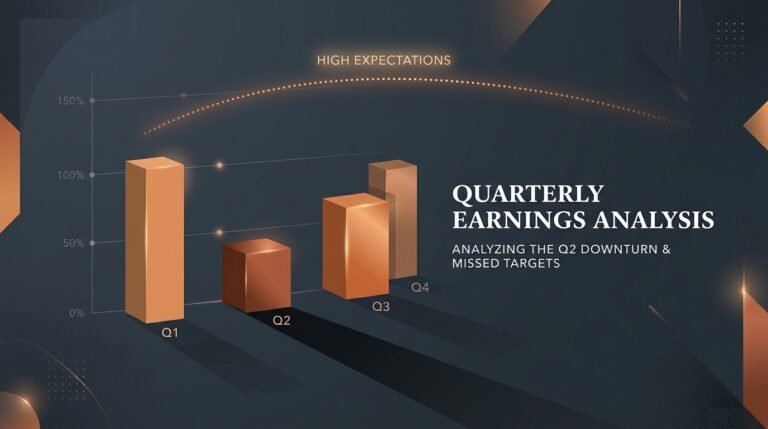
US Gross Domestic Product rose at an annualized rate of 1.5% in the second quarter, a meaningful slowdown from the first quarter’s pace and short of what forecasters had been expecting. The miss landed at a delicate moment, arriving the day after a volatile Fed decision and in the middle of a heavy stretch of corporate earnings, adding another data point to an already uncertain macro picture.
A single quarter of slower-than-expected growth isn’t, on its own, a recession signal — economic growth naturally fluctuates from quarter to quarter, and one soft reading needs to be read in the context of several more before it indicates a genuine change in trend rather than normal variation. But it does add to the list of signals worth watching alongside elevated inflation, a Fed still weighing its next move, and pockets of labor market softness that have shown up in other recent data.
None of those signals individually tells a saver what to do differently. Together, they’re a reasonable argument for exactly the kind of approach a long-term, diversified plan is already built around: staying invested through a genuinely uncertain macro environment, rather than trying to time an exit or entry based on any single data point, however headline-worthy that data point’s number sounds in isolation.
 By Invitation
The Insiders Club
Get early access to a curated set of higher-risk, higher-reward opportunities, alongside your core plan.
Learn MoreReady to start saving for your future?
Get a free consultation. We’ll explain how it works in your situation — no pressure, no jargon.
Request a Consultation